
There’s a certain predictability to the way Chinese New Year sounds.
The same melodies drift through living rooms, office lobbies, and shopping malls year after year — cheerful, nostalgic, and almost invisible from overuse. They’re part of the ritual: comforting, dependable, rarely questioned. You don’t actively listen to them anymore. They simply signal that the season has arrived.
This year, Singapore Chinese Orchestra decided to slow that loop down — and listen again.
Spring Melodies of the Lion City (《春乐满狮城》) marks the orchestra’s first Chinese New Year album in over a decade, following 2015’s Celebrating the Lunar New Year. It is also their first album since Charms of Nanyang III. But instead of leaning into nostalgia, the orchestra approached the project with a more pointed question: what does Chinese New Year sound like in Singapore today — as we actually live it?
Keeping tradition — but letting it breathe
At its core, Spring Melodies of the Lion City sits between reverence and reinvention.
Alongside refreshed orchestral arrangements of familiar festive staples, the album introduces three newly commissioned works by Singapore-based composers. Each reflects themes of spring, renewal, and celebration — but through details rooted firmly in everyday Singaporean life.
Rather than treating Chinese New Year music as functional background noise, the album positions it as something more reflective: of place, of culture, and of lived experience.
When spring looks like HDB corridors and office lobbies
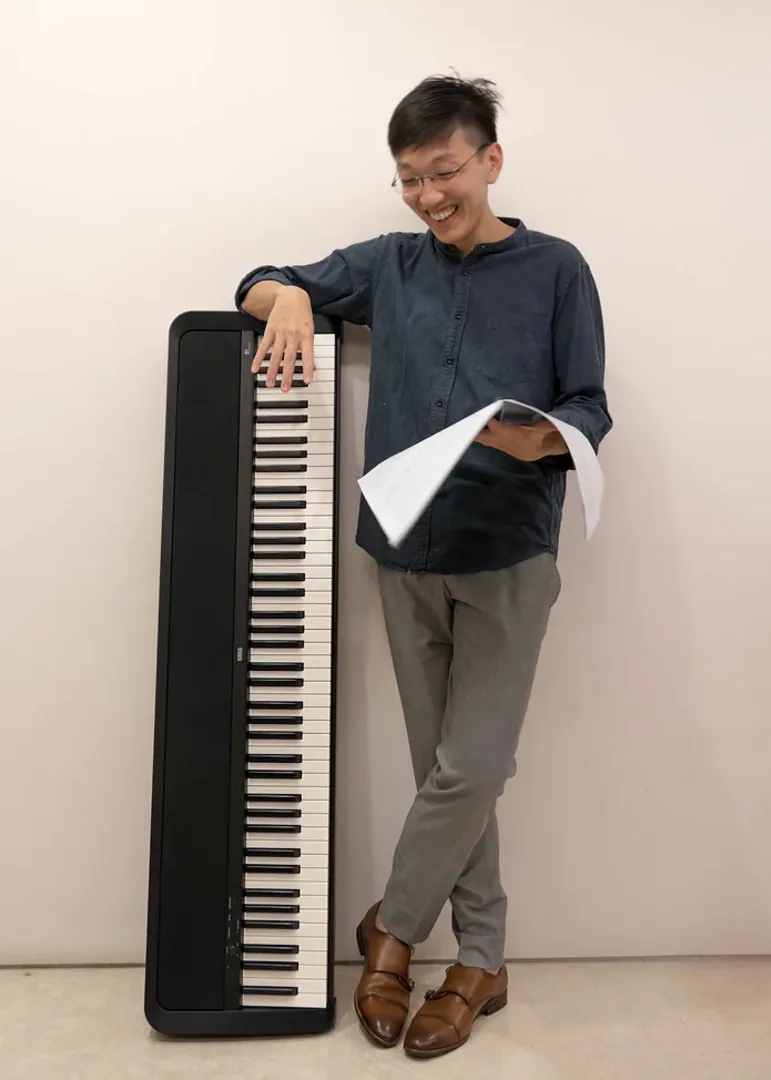
That intent comes through most clearly in ‘Spring in the Lion City’ by Phang Kok Jun.
Written in a theme-and-variations form, the piece draws inspiration from the visual language of Chinese New Year in Singapore — kumquat plants outside homes, orchids arranged in public spaces, lucky bamboo lining office corridors. These are sights so familiar they’re often overlooked, yet instantly recognisable.
By translating these everyday details into sound, Phang grounds the idea of “spring” in Singapore’s urban reality. This isn’t an imagined seasonal landscape — it’s the one you walk through on the way to a reunion dinner.
(The work previously premiered at SCO’s Rhapsodies of Spring concert on 17 January, offering an early glimpse of the album’s direction.)
"Rojak style" as a musical philosophy
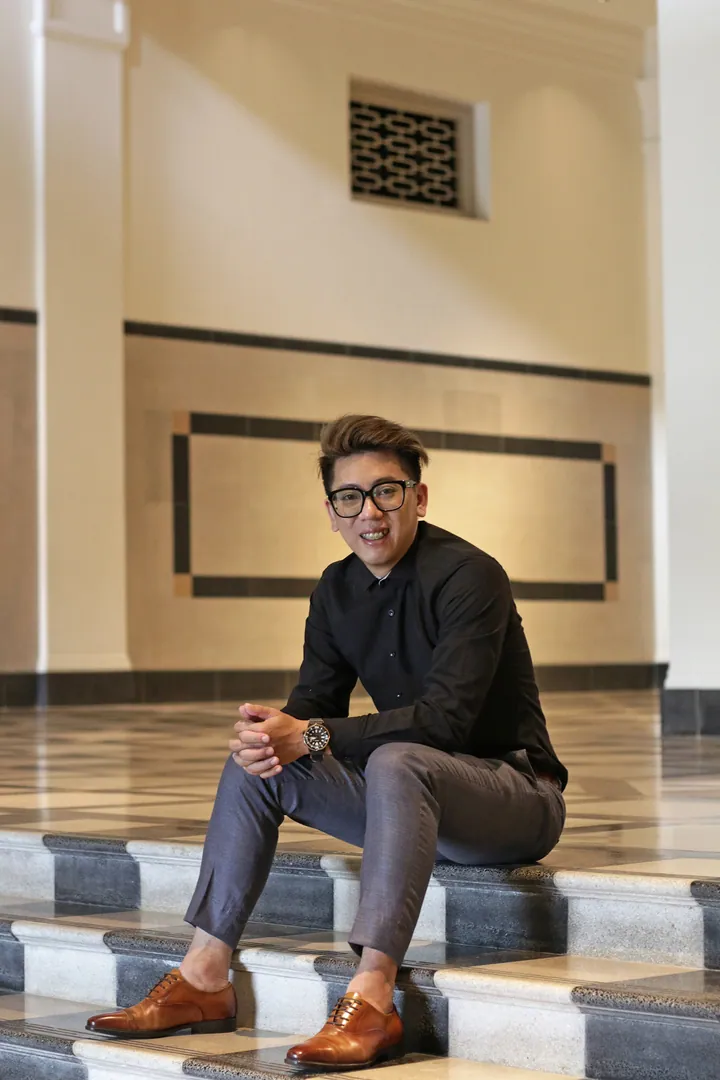
If ‘Spring in the Lion City’ is observational, ‘Spring Returns SG’ by Dayn Ng Chee Yao is unapologetically declarative.
Based on the well-known melody ‘The Earth Rejuvenates in Spring’, the piece deliberately flips expectations by transforming the original major-scale tune using a Malay minor scale. From there, it expands into a vibrant blend of Chinese, Malay, Indian, and contemporary funk influences.
Dayn describes the approach as “rojak style” — drawing from the cultural nuances he grew up with. Traditional percussion such as the Malay rebana and South Indian mridangam sit alongside modern drum textures, creating a soundscape that mirrors Singapore’s layered musical environment.
It’s a reminder that Chinese New Year here doesn’t exist in isolation. It overlaps, absorbs, and evolves — just like the city itself.
A softer moment amid the celebration
Not every festive moment needs to announce itself.
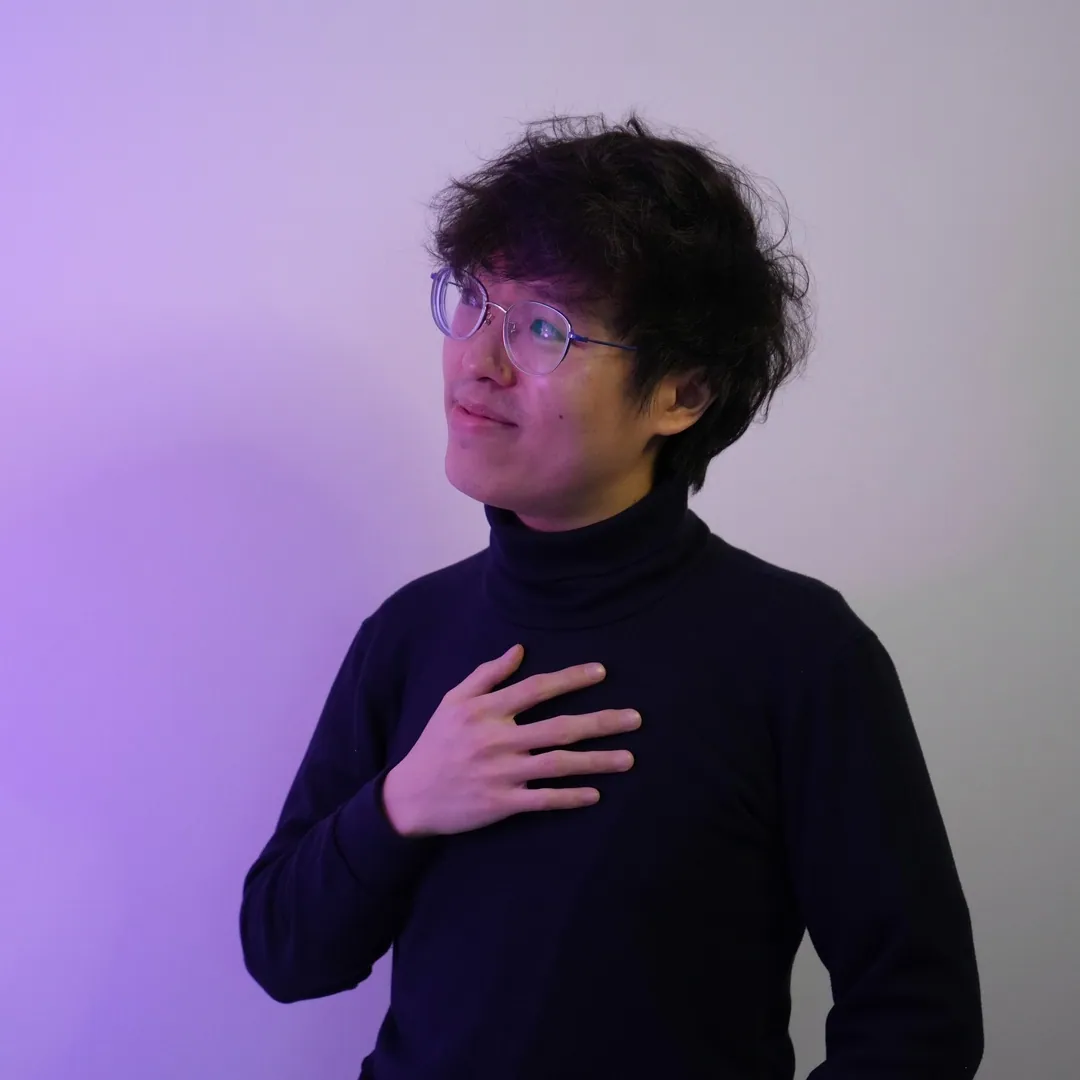
‘Spring Love’ by Sulwyn Lok offers a gentler counterpoint to the album’s more energetic pieces. Inspired by bossa nova and loosely referencing ‘Dance of the Golden Snake’, the track leans into warmth and lightness rather than spectacle.
It feels like a pause — the kind taken between visits, or in the quiet moments after the noise fades. Still festive, but unhurried.
Revisiting the songs everyone knows
Of course, Chinese New Year wouldn’t feel complete without the classics.
Spring Melodies of the Lion City also revisits familiar favourites like ‘Gongxi Gongxi’, ‘Romantic Encounter’, and ‘Full of Joy’, refreshed through the orchestra’s arrangements. One standout update sees ‘Gongxi Gongxi’ featuring vocals by DJs from Mediacorp CAPITAL 958, adding a communal, radio-friendly warmth to the track.
There’s also a subtle historical layer beneath the cheer. Originally written in a minor key to mark the end of the Second Sino-Japanese War, ‘Gongxi Gongxi’ has since transformed into a festive staple — a reminder that cultural meaning shifts over time, even as melodies remain.
A soundtrack that keeps evolving
Chinese New Year music has always been cyclical — returning each year, largely unchanged, comforting in its familiarity. But Spring Melodies of the Lion City suggests that tradition doesn’t have to mean repetition.
By anchoring festive music in everyday Singaporean details — from HDB corridors to multicultural rhythms — the album quietly reframes CNY soundtracks as something alive rather than inherited. Something that can grow alongside the people celebrating it.
In doing so, the Singapore Chinese Orchestra isn’t trying to replace the songs everyone knows. It’s expanding the archive — adding new layers to what Chinese New Year can sound like, now and in the years to come.


